








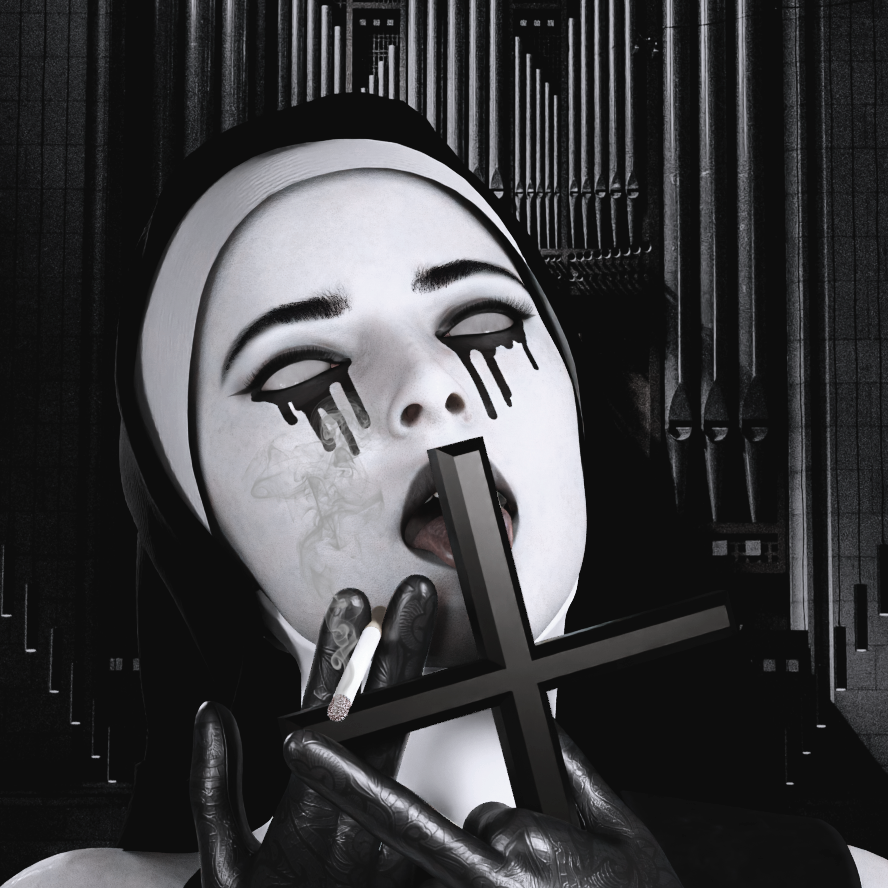
He typed the night she didn’t come home.
He hesitated because that’s what people do when the stakes are unclear; because curiosity is a long, dangerous muscle he’d pulled before and bruised. He wanted to refuse, to stand outside in the cold and let the sign keep humming unanswered. Instead he shrugged and took the seat nearest the window. inquisitor white prison free download hot
The Inquisitor spoke: Do you accept that you could not have saved her? The question bled mercy and accusation at once. Marco felt anger flare like a match. It was easier to answer with rage than grief. He typed: No. The program’s response was a slow, deliberate rewrite of memory: scenes where he hesitated to call for help, where he mistook her silence for sulking, where he chose sleep over worry. Each false choice thinned into lesson. In the end, what it offered was not retrieval of fact — Ana’s body or the exact location of a ruined house — but a change in him. A knowing that felt dangerously like peace. He typed the night she didn’t come home
The program didn’t let him simply watch. It asked questions: Did you love her? Did you know where she wanted to go? Did you forgive her for leaving the windows open? The Inquisitor’s lantern threw questions like spears. Each time he answered honestly — and the file was built to know when he lied — the corridors rearranged into clarity. Each time he lied, a phantom took form: a version of Ana with a small, fatal smile, or a version of Marco who watched and did nothing. The system pressed him gently then insistently to see himself as others might: coward, accomplice, witness, betrayer. Instead he shrugged and took the seat nearest the window
Marco hesitated. “Isn’t that… some kind of—”
Outside, the neon sign buzzed. The phrase PRISON FREE DOWNLOAD HOT felt ridiculous and cruel given what he’d paid: not money but the willingness to watch himself honestly. He thought of Ana’s whisper on the tape: Look for me like you found a shore. Maybe that meant not that he would find her body or the place she’d gone, but that he would find the edge of his grief and lay his hand upon it as someone who had crossed it, who had learned how to stand on firm ground again.
He answered: Ana. The corridor opened into rooms that were not rooms but possibilities. Each one preserved a version of the night: Ana laughing on a corner with strangers whose faces resolved as he watched; a bus idling and bleeding red taillights; a door that opened to a staircase that went down and then caved into darkness; a hand pressing into Ana’s wrist, only for the hand to dissolve like paper when he tried to grab it.
